


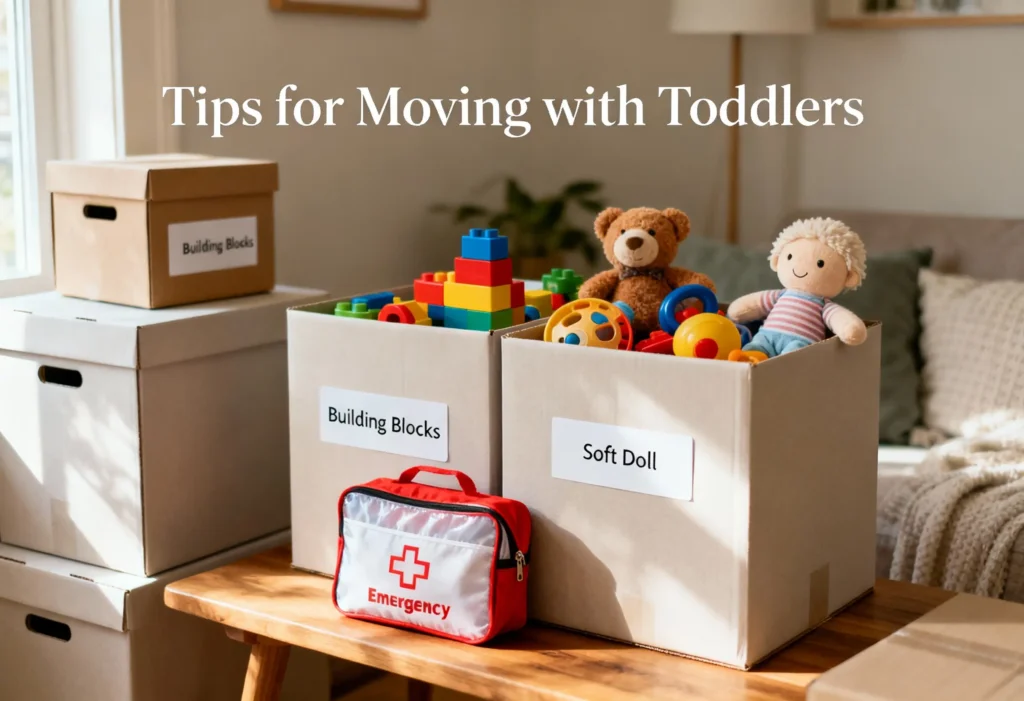
Moving to a new home can be an exciting adventure, but moving with children introduces unique challenges that require careful planning and sensitivity. From managing emotions to keeping routines intact, families often worry about how to transition their children smoothly. Whether you’re making a cross-country move or relocating just a few towns over, understanding how to maintain stability for your little ones is critical. In this post, we’ll share practical moving with kids tips, compassionate family moving advice, and help you navigate the logistics of relocating with children successfully in 2025. Remember, how you handle the transition can shape your child’s perception of change—not just now, but for future life adjustments as well.
Understanding the Emotional Impact of Moving on Children
Children experience moves differently at different ages. For toddlers, unfamiliarity breeds anxiety; for school-aged kids, leaving friends and schools can be heartbreaking. Teenagers might show resistance or anger as a way to mask deeper feelings of loss or instability. Understanding where your child is developmentally will help you anticipate their reactions and address them in a timely, supportive manner.
Common Emotional Reactions by Age
- Toddlers and Preschoolers: May become clingy or regress to earlier behaviors like bed-wetting. They may also have trouble sleeping or become irritable as they try to understand what the move means for their daily life.
- Elementary-Aged Children: Often feel a loss of belonging, friends, and academic comfort zones. They might express sadness, withdraw, or develop anxiety about their new school, teachers, or peers.
- Teenagers: Might resist the move due to peer attachment and increased social identity development. They may rebel, express frustration more frequently, or isolate themselves as a way to cope.
Understanding these emotional responses allows parents to approach the move with empathy and better communication strategies. It’s crucial to validate your child’s feelings during this time instead of brushing them aside, which can build long-term trust and emotional resilience.
Pre-Move Strategies to Prepare Children
The key to how to move with children smoothly lies in early preparation. Including your kids in the moving process provides them with a sense of control and security. It also gives families a window for open dialogue, where questions, fears, and expectations can be addressed ahead of time.
Tips to Prepare Kids for a Move
- Have an Honest Conversation: Let them know what’s happening, why you’re moving, and what to expect. Use age-appropriate language and answer their questions honestly to avoid confusion.
- Stimulate Excitement: Highlight perks of the new location such as nearby parks, schools, or activities. Share pictures, videos, or stories about the new area to make it more relatable and exciting.
- Visit the New Neighborhood: If possible, take your child on a tour of the new home or community before moving day. Spend time visiting fun places like local libraries or playgrounds to build positive associations.
- Maintain Routines: During the pre-move phase, keep bedtimes, mealtimes, and activities consistent to provide stability. Consistency reinforces a sense of security during an otherwise unpredictable experience.
- Create a Countdown Calendar: A visual representation helps children prepare and understand the timeline. Incorporate stickers or drawings to make it interactive and give younger kids an actionable way to “count down” to the big day.
Practical Advice for Moving Day
Moving day is often chaotic, so having a plan specifically for children can make a significant difference. With emotions running high and logistics taking over, children can easily feel neglected or overwhelmed unless prior arrangements are made with them in mind. Taking preemptive steps can turn what might be an overwhelming day into an organized—and even positive—experience for the whole family.
Moving Day Tips for Families
- Childcare Support: If possible, arrange for childcare on moving day to keep children safe and avoid stress. A trusted family member or babysitter can provide them with one-on-one attention while you handle the heavy lifting.
- Prepare a Travel Bag: Pack favorite toys, snacks, medications, and extra clothes to keep them comfortable and occupied. Include a few surprises (a new toy, comic book, or coloring set) to lift spirits during travel time.
- Say Goodbye: Allow kids to say goodbye to neighbors, friends, and familiar places to provide closure. You could even create small memory keepsakes or take photos together to celebrate their time in the old home.
- Assign a Special Task: Give your child a small, meaningful job during the move, like packing a favorite box or labeling their items. This makes them feel included and less like the move is something happening to them.
When you’re moving with children, minimizing unpredictability goes a long way toward reducing anxiety—for them and for you. Even something as simple as sticking to regular snack times or keeping a favorite blanket close by can be grounding for a child throughout the moving day hustle.
Making the New Home Feel Like Home
Settling in is just as much an emotional process as the physical logistics of moving. Helping kids acclimate to their new surroundings is essential for emotional well-being. Establishing familiarity and comfort through small, intentional actions can smooth the transition and foster a sense of belonging.
Post-Move Adjustment Tips
- Unpack Their Room First: Start with familiar items to give children a sense of comfort and familiarity. Adding beloved blankets, toys, or nightlights right away can ease stress during the first few nights in a strange space.
- Explore Together: Walk around the neighborhood and introduce them to nearby parks and community locations. Meeting the neighbors with your child fosters security and models how to build new social connections.
- Establish Routines Quickly: Regular schedules such as bedtime and meals offer a comforting sense of normalcy. Consider adding a new, fun ritual, like Sunday pancake breakfasts, to create positive associations with the new home.
- Communicate Openly: Allow space for emotions and regularly check in to see how they’re adjusting. Encourage your child to create a journal, art project, or story about their moving experience—it’s therapeutic and offers insight into their inner thoughts.
Educational and Social Transitions
Switching schools and social environments is one of the biggest changes for children. Being proactive can help ensure a seamless educational transition. It’s also important to recognize that fitting in academically and socially might not happen overnight, and continued support at home is key.
Tips for a School Change
- Enroll in Advance: Try to complete school registrations before the move to avoid delays. Gather documents like transcripts, vaccination records, and previous teacher notes to make settling into the new school easier.
- Meet the New Teacher: Schedule a classroom visit or virtual meet-and-greet beforehand. Some schools may allow your child to sit in on a class before officially starting, helping demystify the new setting.
- Keep in Touch: Encourage your child to maintain communication with old friends while making new ones. This can be done through FaceTime, texting, or even letter writing—each offering emotional continuity during the transition.
- Join Activities: Encourage after-school programs, clubs, or sports to help them assimilate socially. These activities provide structured settings for making new friends and building confidence in unfamiliar territory.
How to Involve Kids in the Moving Process
Getting children involved in aspects of planning and packing empowers them. They gain a sense of control over the life change unfolding around them. This can help transform the move into an interactive experience that boosts emotional resilience and self-confidence.
Ways to Get Children Involved
- Let Them Pack: Provide small boxes and let them choose which stuffed animals or books to pack. You can also make a game of labeling the boxes with drawings or stickers to make the process fun.
- Design Their Room: Ask for input on how they’d like to decorate or arrange their new space. Have them create a mood board or pick out a new color scheme or décor feature.
- Host a Goodbye Party: Let your child help plan a get-together with friends before the move. Creating memory books or scrapbooks with their friends adds a celebratory element to what might otherwise feel like a sad experience.
By treating your child as part of the process, you’ll make moving with children more positive and even enriching. Children appreciate being treated as contributors, and their involvement helps lower the emotional barriers to change.
Hiring the Right Help
When organizing a move that includes children, hiring professional movers can reduce stress significantly. If you’re looking for reliable movers in Woodbridge VA, consider providers who are experienced with family relocations and sensitive to delicate timelines that accommodate your kids’ needs. A well-reviewed family mover will often offer custom scheduling, packing assistance, and stress-free service options tailored to households with young children.
Final Family Moving Advice
Each family is different, and the ideal moving strategy will vary depending on children’s ages, personalities, and family circumstances. However, a few universal principles can guide your move with greater clarity and confidence.
Universal Tips for Relocating with Children
- Honest and age-appropriate communication helps children feel secure.
- Routine and familiarity ease transitional stress.
- Celebrating milestones—goodbye parties, decorating the new room—helps foster positive memories.
- Lead by example. Your attitude toward the move sets the emotional tone.
- Stay patient—some children require more time than others to fully adjust.
Conclusion
Relocating can be challenging, but moving with children doesn’t have to be overwhelming. With thoughtful preparation, honest communication, and an emphasis on emotional well-being, your family can thrive through change. These moving with kids tips offer practical strategies to navigate each stage of the move, while the family moving advice provided gives you the tools to prioritize your child’s transition. Effective planning not only helps in relocating with children but also makes the entire experience more rewarding for the whole family. Remember, how you manage this change can build valuable resilience and adaptability in your children—and lead to a smoother journey for everyone involved.